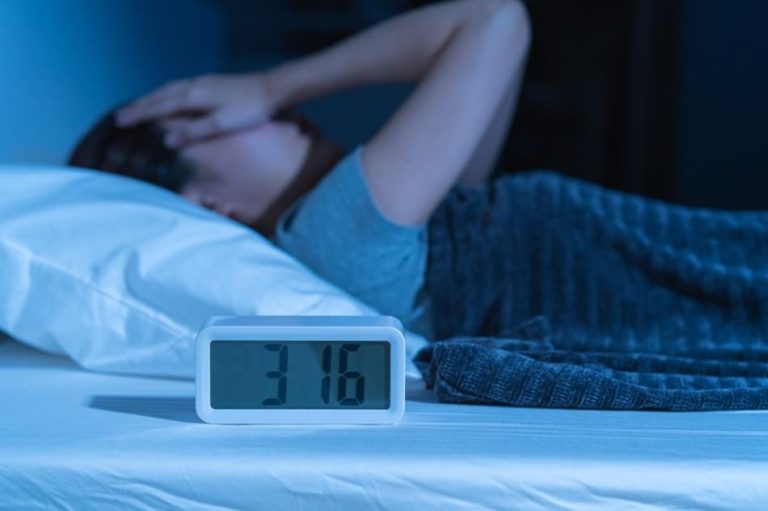
There is a quiet kind of panic that arrives when you’re finally still. The day’s noise fades. The lights dim. You lie down, ready for rest—and yet your mind races, your chest tightens, your breath grows shallow. Thoughts spiral: What if I don’t sleep? What if I wake up exhausted again? Your body feels wired, even as it aches for rest. This is nighttime anxiety—not just insomnia, but the distressing sense that your nervous system has forgotten how to settle when you need it most.
If you’ve been searching for what is the breathing technique for anxiety before bed, you’re not alone. Many turn to breath because it’s always with us—a portable, private anchor in moments of overwhelm. And for good reason: your breath is one of the few direct pathways between your conscious mind and your autonomic nervous system. When anxiety flares at night, slow, intentional breathing can signal safety to a body stuck in fight or flight response, gently inviting it back toward rest.
This article offers a compassionate, evidence-informed exploration of breath as a tool for nervous system regulation. You’ll learn why certain rhythms—like the well-known 4-7-8 method—work physiologically, how to practice them without pressure, and how they fit into a broader framework of mental wellness and emotional wellness. We’ll also cover complementary practices like grounding techniques for anxiety, sleep hygiene tips, and gentle nutritional supports such as magnesium for anxiety.
These are not quick fixes. They are invitations—to befriend your physiology, to meet nighttime unease with curiosity rather than resistance, and to cultivate natural stress relief that deepens over time. By integrating these practices with patience and self-kindness, you can begin to retrain your body’s relationship with rest. This is the foundation of sustainable healing: not forcing calm, but creating conditions where calm can naturally return.
Why Nighttime Anxiety Happens: The Body’s Misread Signal
During daylight hours, distractions abound—tasks, conversations, movement. These external stimuli keep the mind outwardly focused, often masking underlying tension. But as evening falls and stimulation decreases, the nervous system turns inward. Without distractions, unresolved stress or unprocessed emotions may surface with surprising intensity.
From a physiological perspective, this makes perfect sense. Our autonomic nervous system operates in two primary modes: the sympathetic branch (which activates during perceived threat) and the parasympathetic nervous system (which supports rest, digestion, and restoration). Chronic stress can leave the sympathetic system dominant, keeping the body in a low-grade state of alert—even when we’re safe in bed.

Additionally, our circadian rhythm balance plays a crucial role. Exposure to artificial light, especially blue light from screens, can suppress melatonin production, the hormone that signals it’s time to sleep. When our internal clock feels confused, sleep becomes elusive, and anxiety often fills the void. This isn’t a personal failing. It’s a biological response to modern living that can be gently recalibrated.
What Your Nervous System Is Trying to Tell You
To understand how breath helps, it’s helpful to see the contrast between a stress-activated state and a regulated one. The table below illustrates how your physiology shifts—and why certain breathing rhythms create such powerful change.
| Aspect | Stress-Activated State (Sympathetic Dominance) | Calm, Regulated State (Parasympathetic Dominance) |
|---|---|---|
| Breathing Pattern | Shallow, rapid, chest-focused | Deep, slow, diaphragmatic |
| Heart Rate | Elevated, variable (low heart rate variability) | Steady, resilient (high heart rate variability) |
| Muscle Tension | High (jaw, shoulders, neck) | Softened, relaxed |
| Mental State | Racing thoughts, hypervigilance | Present, spacious awareness |
| Hormonal Activity | Elevated stress hormone cortisol | Reduced cortisol; increased calming neurotransmitters |
| Sleep Readiness | Fragmented, delayed onset | Smooth transition into restorative sleep cycle |
| How Breath Helps | — | Activates vagus nerve, signaling safety to the brain |
This contrast reveals a key truth: anxiety before bed isn’t just “in your head.” It’s a full-body state of nervous system dysregulation. And because it lives in the body, it can be soothed through the body—starting with something as simple as your next breath.
The Science of Breath: How It Calms the Nervous System
Your breath is uniquely positioned at the intersection of voluntary and involuntary control. You don’t have to think to breathe—but you can choose to change how you breathe. This gives you direct access to your autonomic nervous system.
When you lengthen your exhale, you stimulate the vagus nerve—the longest cranial nerve, which runs from your brainstem through your chest and abdomen. Vagal stimulation triggers the parasympathetic nervous system, slowing your heart rate, lowering blood pressure, and reducing the production of stress hormone cortisol.
Research shows that slow, rhythmic breathing (around 5–6 breaths per minute) increases heart rate variability—a key marker of nervous system flexibility and resilience. Over time, regular practice can help your body return to baseline more quickly after stress, supporting both mental wellness and emotional wellness.
This is the mind-body connection in action: a simple shift in breath creates a cascade of physiological calm.
How to Calm Anxiety Naturally at Night: Your Breathing Toolkit
While many breathing techniques exist, a few stand out for their simplicity, research backing, and suitability for bedtime. The goal isn’t perfection—it’s gentle repetition, offered without judgment.
The 4-7-8 Breathing Technique (Relaxing Breath)
Popularized by Dr. Andrew Weil, this method is based on ancient yogic pranayama and works by extending the exhale to activate the parasympathetic response.
How to practice:
Why it works: The extended exhale stimulates the vagus nerve, while the hold allows carbon dioxide to build slightly, promoting relaxation. Many find it helpful for natural sleep support.
💡 Tip: If counting feels stressful, simply make your exhale twice as long as your inhale (e.g., inhale 4, exhale 8). The ratio matters more than the numbers.
Diaphragmatic (Belly) Breathing
Also called abdominal breathing, this foundational practice reconnects you with your natural breath rhythm.
How to practice:
This practice strengthens the diaphragm, improves oxygen exchange, and directly counters the shallow chest breathing of anxiety.
Box Breathing (4-4-4-4)
Originally used by Navy SEALs to manage acute stress, this rhythmic pattern brings focus and calm.
How to practice:
While effective, some find the holds activating before bed. If so, try inhale 4, exhale 6 instead—no holds.
Beyond Breath: Complementary Practices for Nighttime Calm
Breath is powerful—but it works best within a supportive ecosystem. These practices enhance its effects and address the root causes of nighttime anxiety.
If your anxiety is driven by repetitive thoughts or rumination, you may benefit from cognitive and emotional strategies alongside breathwork. Explore our compassionate guide on how to stop overthinking anxiety for tools that address the mind’s patterns.
Grounding Techniques for Anxiety
When thoughts spiral, grounding returns you to the present through your senses.
These practices interrupt the anxiety loop by shifting focus from thought to sensation.
Journaling for Emotional Clarity
Sometimes anxiety stems from unprocessed thoughts looping in the mind. Try this 5-minute evening ritual:
This isn’t problem-solving. It’s emotional hygiene—a way to create closure for the day.
Sleep Hygiene Tips That Honor Your Biology
Your environment communicates directly with your nervous system. Support natural sleep support with:
Gentle Nutritional Support
Certain nutrients play supportive roles in relaxation:
These are optional tools—not replacements for nervous system regulation practices.
Building Your Personalized Evening Wind-Down
There is no single formula. The goal is to design a sequence that feels nourishing—not obligatory.
A sample 30-minute wind-down might include:
Your sequence will differ. The key is consistency—not rigidity. Even 10 minutes of intentional wind-down signals safety to your nervous system more effectively than hours of screen time followed by sudden lights-out.
Common Questions About Breathing for Nighttime Anxiety
Military breathing technique for sleep
Often called “box breathing” (4-4-4-4), this technique was adapted by military personnel to manage acute stress. For sleep, however, the holds can sometimes feel activating. Many find a simpler inhale 4, exhale 6 rhythm more soothing before bed. The goal is nervous system regulation—not performance. Choose what feels calming, not controlled.
What is the breathing technique for anxiety before bed YouTube?
Many videos demonstrate the 4-7-8 breathing technique or diaphragmatic breathing. While visual guides can be helpful, remember: you don’t need perfect form. Focus on lengthening your exhale and releasing effort. If a video feels overwhelming, try practicing in total darkness—just you and your breath.
What is the breathing technique for anxiety before bed brain?
Slow breathing calms the brain by stimulating the vagus nerve, which sends signals to the amygdala (fear center) to reduce alarm. It also increases heart rate variability, a sign of nervous system flexibility. Over time, this practice can help your brain distinguish between real threat and imagined worry—supporting long-term emotional regulation techniques.
Breathing exercises for sleep and anxiety
The most effective combine diaphragmatic breathing with an extended exhale (e.g., 4-7-8 or 4-6). Practice for 3–5 minutes in a quiet, dark room. Pair with a calming ritual like herbal tea or soft music to strengthen the association between breath and rest. Consistency matters more than duration.
Anxiety breathing 4-7-8
The 4-7-8 technique works by extending the exhale to activate the parasympathetic nervous system. Inhale 4, hold 7, exhale 8. Start with just 4 cycles—more can cause lightheadedness. With practice, it may support natural stress relief and smoother transitions into sleep. Be patient; effects deepen over time.
Breathing exercises for anxiety attack
During acute anxiety, focus on exhaling fully—even sighing can help. Try the “physiological sigh”: inhale deeply, take one short sip of air, then exhale slowly and completely. Repeat 2–3 times. This rapidly reduces carbon dioxide and calms the nervous system faster than standard slow breathing.
Breathing exercise for sleep 4-7-8
For sleep, the 4-7-8 breathing exercise is best practiced lying down in complete darkness. Keep your eyes closed, jaw relaxed. If holding your breath feels uncomfortable, skip the hold: inhale 4, exhale 8. The extended exhale is the key ingredient for signaling safety to your parasympathetic nervous system.
Which breathing calms the nervous system before sleep?
Any breath that lengthens the exhale will calm the nervous system. The 4-7-8 method, diaphragmatic breathing, and simple “inhale 4, exhale 6” all work. The best technique is the one you’ll actually do—without pressure or perfectionism. Consistency builds nervous system regulation over time.
How to calm anxiety in 5 minutes?
Combine breath with sensory grounding:
What is the 478 technique before sleep?
The 478 technique (inhale 4, hold 7, exhale 8) is a structured breathing pattern designed to induce calm. It’s based on pranayama and works by stimulating the vagus nerve. Practice 4 cycles before bed. Avoid screens afterward to preserve the calm state.
What are the best breathing exercises for COPD?
If you have COPD or another respiratory condition, consult your healthcare provider before starting new breathing practices. Techniques like pursed-lip breathing (inhale 2, exhale 4 through pursed lips) are often recommended. Never push into discomfort—breathwork should feel supportive, not strained.
A Closing Invitation: Befriending Your Breath, Befriending Yourself
Learning how to reduce anxiety naturally begins not with controlling your mind, but with returning to your body—again and again. Your breath is always there, waiting to guide you back to the present moment, even in the deepest hours of the night.
The practices shared here—breathing exercises for stress, grounding techniques for anxiety, thoughtful sleep hygiene tips—are not tools to eliminate anxiety. They are invitations to relate differently to it. To witness its presence without becoming lost in it. To offer yourself the same kindness you’d offer a dear friend lying awake with worry.
True mental wellness flourishes when you release the burden of “fixing” your nervous system and instead learn to listen to its whispers. True emotional wellness grows when you trust that difficult feelings—including nighttime anxiety—can move through you without defining you.
Begin where you are. Choose one breath practice that feels accessible. Offer it gently for a week, without expectation. Notice what shifts, however subtly. Then build from there.
Rest is not something you earn after a perfect day. It is your birthright—a quiet harbor always available beneath the surface of anxiety’s waves. You need not eliminate the waves to find the stillness beneath them. You need only remember, again and again, how to sink into that depth with your next breath.
Tonight, and the next, and the next: you can return. Not perfectly. Not all at once. But tenderly. Persistently. And in that returning, you reclaim the night—not as a battlefield, but as a sanctuary where holistic mental health deepens with every slow exhale.
This article offers evidence-informed perspectives on wellness and is not a substitute for professional medical or psychological care. If nighttime anxiety significantly impacts your quality of life, please consult a qualified healthcare provider. You deserve compassionate, personalized support.
You’re not alone. Explore more gentle support:
Medical Disclaimer
The content provided in this article is for educational and informational purposes only. It is not intended as medical advice, diagnosis, or treatment. Always seek the guidance of a qualified healthcare professional—including physicians, licensed therapists, or registered dietitians—for any questions regarding anxiety, sleep disorders, respiratory conditions, or wellness practices.
While breathing techniques like the 4-7-8 method are generally safe, they may not be appropriate for everyone—particularly those with certain respiratory, cardiovascular, or trauma-related conditions. Please consult your provider before beginning any new practice, especially if you experience dizziness, shortness of breath, or heightened anxiety during breathwork.
Soulwholesome and its contributors do not assume liability for any outcomes resulting from the application of information shared herein. You are responsible for your own wellness choices and for working with qualified professionals who understand your unique health history.
True healing honors both self-care and professional support. There is strength in seeking help—and wisdom in integrating gentle practices with personalized clinical care when needed. You deserve both compassion and competent guidance on your path toward nervous system regulation and emotional wellness.
References
Note: Always consult a qualified healthcare provider before making changes to your mental health or wellness routine.