
There is a particular kind of loneliness that arrives after dark. The house settles into silence. The day’s distractions fade. And suddenly, your mind becomes a crowded room—thoughts racing, worries circling, the body tense despite exhaustion.
If you’ve found yourself searching for how to calm anxiety naturally at night, you know this feeling all too well. You lie still, hoping sleep will come, but instead you’re met with a fluttering heart, tight chest, or that familiar spiral of what-ifs that seems to grow louder in the quiet. This is nighttime anxiety: not just trouble sleeping, but the distressing sense that your nervous system has forgotten how to rest when you need it most.
This experience is deeply human—and far more common than you might think. When daylight fades, cortisol—the stress hormone cortisol that helps us navigate daytime demands—should naturally decline. But when we’ve experienced prolonged stress, our nervous system dysregulation can keep the body locked in a low-grade fight or flight response, even when we’re safe in bed. The absence of external stimuli leaves space for the mind to amplify unresolved emotions, unprocessed experiences, or anticipatory worries about tomorrow.
This article offers a compassionate, evidence-informed guide to restoring calm when nighttime anxiety arises. We’ll explore gentle, accessible practices rooted in nervous system regulation, mindfulness techniques, and natural sleep support that honor your body’s innate wisdom.
You’ll learn practical grounding techniques for anxiety, soothing breathing exercises for stress, and lifestyle rhythms that support both mental wellness and emotional wellness. These approaches are not quick fixes. They are invitations—to befriend your nervous system, to meet nighttime unease with curiosity rather than resistance, and to cultivate natural stress relief that deepens over time.
By integrating these practices with patience and self-kindness, you can begin to retrain your body’s relationship with rest. This is the foundation of sustainable healing: not forcing calm, but creating conditions where calm can naturally return. Let this be your starting point toward softer nights and a more regulated, resilient nervous system.
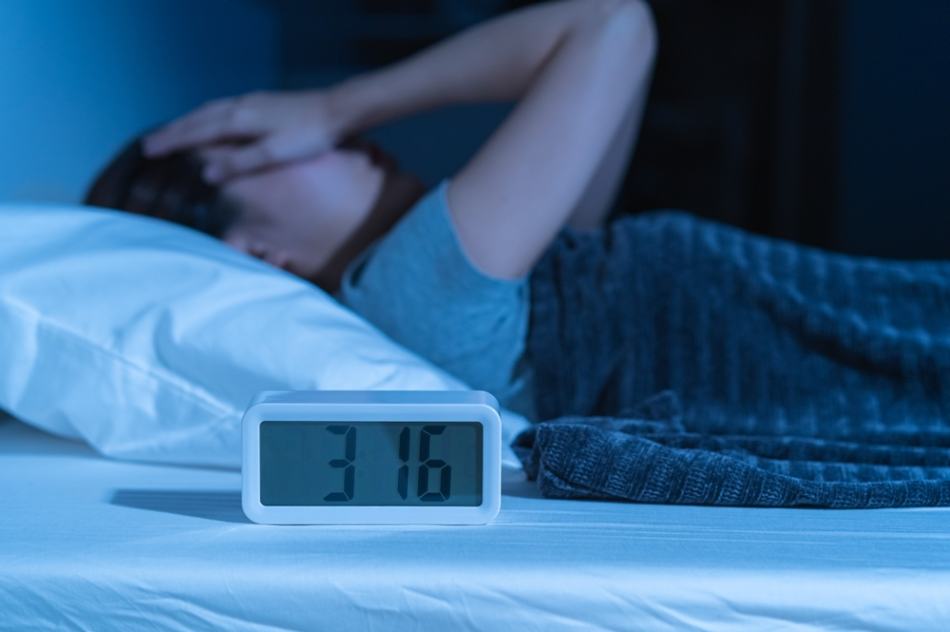
Understanding Why Nighttime Anxiety Happens
During daylight hours, our attention is often pulled outward—toward tasks, conversations, responsibilities. This external focus can temporarily mask underlying tension. But as evening arrives and stimulation decreases, the mind turns inward. Without distractions, unresolved emotions or accumulated stress may surface with surprising intensity.
From a physiological perspective, this pattern makes sense. Our autonomic nervous system has two primary modes: the sympathetic branch (which activates during stress) and the parasympathetic nervous system (which supports rest and restoration).
Chronic stress can leave the sympathetic system dominant, making it difficult to transition into parasympathetic states—even when we’re lying down to sleep. The body remains subtly braced, heart rate stays elevated, and the mind stays alert, scanning for threats that exist only in thought.
Additionally, our circadian rhythm balance plays a crucial role. Exposure to artificial light late in the evening—especially blue light from screens—can suppress melatonin production, the hormone that signals it’s time to sleep.
When our internal clock feels confused, sleep becomes elusive, and anxiety often fills the void. This isn’t a personal failing. It’s a biological response to modern living that can be gently recalibrated.
What Your Nervous System Is Trying to Tell You
To better understand what’s happening in your body during these moments, it helps to see the contrast between a stress-activated state and a calm, regulated one:
| Aspect | Stress-Activated State (Sympathetic Dominance / “Fight-or-Flight”) | Calm, Regulated State (Parasympathetic Dominance / “Rest-and-Digest”) |
|---|---|---|
| Primary Role | Prepares the body for perceived threat or action | Supports restoration, healing, and internal maintenance |
| Heart Rate | Increased and often irregular | Slowed and steady |
| Breathing | Shallow, rapid, chest-focused | Deep, slow, diaphragmatic |
| Muscle Tension | High (especially in neck, shoulders, jaw) | Relaxed and soft |
| Mental State | Racing thoughts, hypervigilance, worry | Present, clear, spacious awareness |
| Digestion | Slowed or halted | Activated and efficient |
| Hormonal Activity | Elevated stress hormone cortisol and adrenaline | Reduced cortisol; increased oxytocin and melatonin |
| Sleep Quality | Fragmented, light sleep; difficulty falling or staying asleep | Deeper, more restorative sleep cycles |
| Common Nighttime Experience | Mind racing, panic at bedtime, waking with dread | Easeful transition to sleep, feeling safe in the dark |
| How to Shift Gently | Not something to suppress—acknowledge with kindness | Activate via breathing exercises for stress, vagus nerve exercises, and calming rituals |
This contrast isn’t about labeling one state as “bad” and the other as “good.” Your sympathetic system is essential for survival. The goal of nervous system regulation is not to eliminate stress responses, but to ensure your system can return to safety—especially at night, when rest is not a luxury, but a biological necessity for mental wellness and emotional wellness.
By practicing the gentle tools outlined in this article, you train your nervous system to recognize cues of safety more readily, making the return to a parasympathetic nervous system state not just possible, but increasingly natural—even in the quiet of the night.
The Nervous System After Dark: When Alertness Overrides Rest
Your nervous system is designed to protect you. It constantly scans your environment for safety cues. During the day, social connection, movement, and purposeful activity provide these cues.
But at night, when you’re alone with your thoughts in a quiet room, the nervous system may misinterpret stillness as vulnerability.
This is where nervous system dysregulation often becomes most apparent. Instead of smoothly transitioning into rest mode, the body remains in a state of hypervigilance. You might notice:
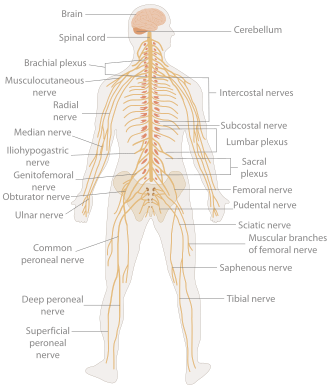
These experiences reflect a nervous system that hasn’t received clear signals of safety. The good news? You can learn to send those signals yourself. Through intentional, gentle practices, you can activate the parasympathetic nervous system and remind your body: You are safe. You can rest now.
Gentle Anchors: Immediate Practices for Nighttime Calm
When anxiety arrives at bedtime, the goal isn’t to eliminate it forcefully. Resistance often amplifies distress. Instead, we offer the nervous system simple, sensory-based anchors—practices that gently shift physiology toward safety.
Breathing Exercises for Stress: The 4-7-8 Rhythm
Your breath is a direct pathway to nervous system regulation. Slow, rhythmic breathing stimulates the vagus nerve—the main channel of the parasympathetic nervous system—signaling safety to the brain.
Try this before bed:
This isn’t about perfection. If counting feels stressful, simply lengthen your exhale to be slightly longer than your inhale. Even three conscious breaths can begin to shift your state.
Grounding Techniques for Anxiety: The 5-4-3-2-1 Method
When thoughts spiral, grounding brings awareness back to the present moment through the senses. This interrupts the anxiety loop without judgment.
This practice doesn’t erase anxiety. It creates space around it—a reminder that you exist within a larger, calmer reality.
Vagus Nerve Exercises for Evening Regulation
The vagus nerve runs from your brainstem through your chest and abdomen, influencing heart rate, digestion, and emotional state. Gentle stimulation can support calm:
These micro-practices require no special tools—only a moment of intentional presence.
Creating an Evening Sanctuary: Rituals That Signal Safety
Your environment communicates directly with your nervous system. A chaotic, bright, or stimulating bedroom environment can reinforce alertness. But a thoughtfully prepared space becomes a sanctuary that invites rest.
Consider these gentle shifts:
These adjustments aren’t about perfection. They’re about creating subtle cues that tell your body: This is a place of safety. You can soften here.
Journaling for Emotional Clarity: Emptying the Mind Before Bed
Sometimes anxiety at night stems from unprocessed thoughts looping through the mind. Journaling offers a container for these thoughts—not to solve them, but to acknowledge and release them.
Try a simple evening practice:
This isn’t problem-solving. It’s emotional hygiene—a way to create closure for the day. Research suggests that expressive writing can reduce bedtime cognitive arousal, making space for rest.
Keep your journal nearby but not in bed. The act of closing the book becomes a ritual of completion.
Supporting Sleep Architecture: Natural Sleep Support Foundations
True rest isn’t just about falling asleep—it’s about moving through complete restorative sleep cycles. When anxiety fragments sleep, we miss the deep, healing stages essential for emotional wellness.
These foundational practices support your body’s innate capacity for rest:
Sleep Hygiene Tips That Honor Your Biology
Natural Sleep Support Through Nutrition
Certain nutrients play supportive roles in relaxation:
Adaptogens for Stress: Gentle Herbal Allies
Adaptogens for stress are plants that help the body adapt to stressors without overstimulation or sedation. They work gradually to support resilience:
These are not sedatives. They’re supportive tools that work best alongside lifestyle practices. Always choose high-quality, transparently sourced products and discuss with a knowledgeable practitioner.
The Deeper Work: Cultivating Emotional Regulation Techniques
Nighttime anxiety often reflects daytime emotional patterns. Building emotional regulation techniques during waking hours creates resilience that carries into the night.
Consider these daily micro-practices:
These practices aren’t about eliminating difficult emotions. They’re about building a relationship with your inner world where emotions can move through you without hijacking your nervous system.
When Anxiety Wakes You: Meeting Midnight Moments with Kindness
Waking at 2 or 3 a.m. with a surge of anxiety is deeply unsettling. Your rational mind knows it’s the middle of the night—but your nervous system feels urgency.
In these moments:
If you’ve been awake for more than 20 minutes, get out of bed. Sit in a dimly lit space with a book (not a screen) until drowsiness returns. This prevents your brain from associating bed with wakefulness and worry.
Most importantly: meet yourself with compassion. These midnight awakenings aren’t failures. They’re moments of vulnerability where kindness—not force—is the most powerful medicine.
Building a Personalized Evening Wind-Down Sequence
There is no single formula for calming nighttime anxiety. What works is deeply personal. The goal is to design an evening sequence that feels nourishing—not obligatory.
A sample 45-minute wind-down might include:
Your sequence will differ. The key is consistency—not rigidity. Even 15 minutes of intentional wind-down signals safety to your nervous system more effectively than hours of screen time followed by sudden lights-out.
The Role of Daytime Movement in Nighttime Calm
How you move during the day profoundly influences how you rest at night. Gentle, rhythmic movement supports nervous system regulation by helping discharge accumulated stress energy.
Avoid intense exercise within 2–3 hours of bedtime, as it may elevate core body temperature and cortisol temporarily. But regular daytime movement is one of the most powerful foundations for natural stress relief and restorative sleep.
Patience as Practice: Honoring Your Healing Timeline
Healing a dysregulated nervous system isn’t linear. Some nights will feel easier than others. Progress isn’t measured by perfect sleep every night—it’s measured by your growing capacity to meet anxiety with compassion rather than fear.
Notice small shifts:
These are victories. They reflect a nervous system slowly relearning safety. Trust the process. Your body has an innate wisdom toward balance—you are simply creating conditions where that wisdom can express itself.
A Closing Invitation: Toward Deeper Rest
Nighttime anxiety can feel isolating, as though you’re the only one awake while the world sleeps peacefully. But you are not broken. You are not failing. You are a human being navigating modern life with a nervous system designed for a different world—a world of clear threats and natural rhythms.
The practices shared here—mindfulness techniques, grounding techniques for anxiety, breathing exercises for stress, thoughtful sleep hygiene tips, and gentle nutritional support—are invitations. They invite you to slow down. To listen. To offer yourself the same kindness you’d offer a dear friend lying awake with worry.
Mental wellness and emotional wellness are not destinations to reach. They are ongoing relationships—with your body, your emotions, your rhythms. Some nights will still feel difficult. But with each small practice, you build resilience. You strengthen your capacity for nervous system regulation. You deepen your trust that calm is not something to chase, but something to allow.
Tonight, choose just one small gesture of kindness toward your nervous system. One slow breath. One moment of noticing the weight of blankets. One whispered assurance: You are safe. You are held. Rest can come.
This is how healing unfolds—not in dramatic transformations, but in quiet moments of return. Again and again, you come back to yourself. And in that returning, you rediscover the deep, steady ground beneath the waves of anxiety. Rest awaits there. Always.
This article is for educational purposes and reflects current evidence-informed perspectives on wellness. It is not medical advice. If nighttime anxiety significantly impacts your quality of life, please consult a qualified healthcare provider or mental health professional. You deserve support.
Frequently Asked Questions
How to get rid of bad anxiety at night?
While we don’t “get rid” of anxiety forcefully, we can create conditions for it to soften. Begin with breathing exercises for stress like the 4-7-8 technique to activate your parasympathetic nervous system. Keep lights dim, avoid checking the clock, and practice a brief grounding technique for anxiety such as naming five things you can feel in bed. Remember: meeting anxiety with resistance often amplifies it. Gentle acknowledgment—”I notice anxiety is here”—can create space for it to shift naturally.
Sleep anxiety symptoms?
Sleep anxiety often manifests as racing thoughts when lying down, physical tension despite exhaustion, a racing heart, or dread about not sleeping. Some experience nervous system dysregulation that triggers a sudden adrenaline rush at bedtime. Others wake repeatedly with worry. These symptoms reflect a body struggling to transition from alertness to rest—not a personal failing. Tracking patterns gently (without judgment) can help identify triggers and effective natural stress relief practices.
How to sleep with anxiety and depression?
When both anxiety and depression affect sleep, prioritize gentle consistency over perfection. Establish a simple wind-down ritual—perhaps herbal tea, soft music, and three slow breaths—to signal safety to your nervous system. If sleep doesn’t come within 20 minutes, leave bed and sit quietly in dim light until drowsy returns. Most importantly: release pressure to “fix” your sleep. The goal is emotional wellness through self-compassion, not forcing rest. Professional support can provide personalized guidance during difficult seasons.
Rush of anxiety when falling asleep — why?
This “sleep onset anxiety” often occurs because lying still removes daytime distractions, allowing unprocessed stress to surface. Physiologically, as your body transitions toward sleep, subtle changes in heart rate or breathing may be misinterpreted by an alert nervous system as threat. This isn’t dangerous—it’s a sign your system needs reassurance. Gentle vagus nerve exercises before bed (humming, slow exhales) can help signal safety during this vulnerable transition.
Mind racing can’t sleep anxiety — what helps?
A racing mind responds well to external anchors. Try journaling for emotional clarity for five minutes before bed to “empty” looping thoughts onto paper. If already in bed, practice counting backward from 100 by threes, or visualize walking slowly through a familiar, peaceful place. These techniques gently occupy the cognitive mind without stimulation. Most importantly: avoid fighting the thoughts. Acknowledge them softly—”There’s planning again”—then return to your anchor. This builds emotional regulation techniques over time.
Why do I wake up with anxiety in the middle of the night?
Waking between 2–4 a.m. with anxiety often relates to natural cortisol rhythms—this is when cortisol begins its gentle rise to prepare for morning. In a dysregulated nervous system, this rise can feel abrupt and alarming. Blood sugar fluctuations or unresolved daytime stress may also contribute. When this happens, keep lights dim, avoid screens, and practice one minute of slow breathing. Remind yourself: “This is a wave. It will pass. I am safe.” Returning to sleep may take time—and that’s okay.
How to calm anxiety at night naturally Reddit discussions suggest?
Online communities often share practices like weighted blankets for deep pressure input, magnesium glycinate supplementation, cool room temperatures, and non-screen wind-down routines. Many emphasize the power of breathing exercises for stress and accepting wakefulness without panic. While individual experiences vary, the common thread is gentle self-care—not forceful sleep attempts. Always evaluate suggestions through your own needs and consult professionals when introducing new supplements or practices. True natural remedies for anxiety work with your biology, not against it.
Conclusion
Healing your relationship with nighttime rest begins not with force, but with gentle return. Night after night, you can offer your nervous system small, consistent signals of safety—a slow breath, a dimmed light, a moment of self-kindness when anxiety arrives.
These gestures may feel small, but they accumulate. They teach your body, slowly and patiently, that stillness is not danger. That darkness can hold rest. That you are safe enough to soften.
The path to calmer nights weaves together immediate tools and deeper rhythms. In the moment, grounding techniques for anxiety and breathing exercises for stress can create space around distress. Over time, honoring your circadian rhythm balance, practicing journaling for emotional clarity, and building evening rituals strengthen your capacity for nervous system regulation.
Nutritional supports like magnesium for anxiety or gentle adaptogens for stress may offer additional scaffolding—but they work best alongside these foundational practices, not as replacements for them.
Remember: mental wellness is not the absence of anxiety. It is the growing ability to meet inner turbulence with steadiness. Emotional wellness is not constant calm—it is the trust that difficult feelings will move through you without breaking you.
When you approach nighttime anxiety with curiosity rather than resistance, you shift from fighting your physiology to befriending it. This is where true natural stress relief takes root—not as a technique to master, but as a relationship to cultivate. And this is the heart of how to calm anxiety naturally at night: not by silencing your mind, but by returning—again and again—to the quiet wisdom of your body.
Some nights will still feel long. Some evenings, anxiety may arrive despite your best efforts. This is not failure. It is human. On those nights, your only task is to offer one small gesture of kindness—a hand on your heart, a whispered “this is hard right now,” a decision to rest without demanding sleep. These micro-moments of compassion rewire your nervous system more powerfully than any forced solution ever could.
You are not broken because anxiety visits at night. You are a sensitive human navigating a demanding world with a nervous system designed for survival. And within you lives an equally powerful capacity for restoration—for restorative sleep cycles, for parasympathetic calm, for mornings that arrive with renewed steadiness.
Begin where you are. Choose one practice from this article that feels accessible—a three-minute breathing rhythm, a five-sentence journal entry, a cooler bedroom temperature. Offer it gently for a week, without expectation. Notice what shifts, however subtly. Then build from there.
Rest is not something you earn after a perfect day. It is your birthright—a quiet harbor always available beneath the surface of anxiety’s waves. You need not eliminate the waves to find the stillness beneath them. You need only remember, again and again, how to sink into that depth.
Tonight, and the next, and the next: you can return. Not perfectly. Not all at once. But tenderly. Persistently. And in that returning, you reclaim the night—not as a battlefield, but as a sanctuary where mental wellness and emotional wellness deepen with every breath, every moment of kindness, and every gentle step in your journey of how to calm anxiety naturally at night.
You’re not alone. Explore more gentle support:
Medical Disclaimer
This article offers evidence-informed perspectives on holistic wellness and is not a substitute for professional medical or psychological care. If nighttime anxiety significantly impacts your daily life, please reach out to a qualified healthcare provider. You deserve compassionate, personalized support.
References
The practices and insights in this article are grounded in current research on sleep, stress physiology, and nervous system regulation. Below are key scientific and clinical sources for further exploration:
For trusted public health guidance, we also refer to:
Note: Always consult a qualified healthcare provider before starting new supplements or making significant changes to your sleep or mental health routine.